Featured
Table of Contents
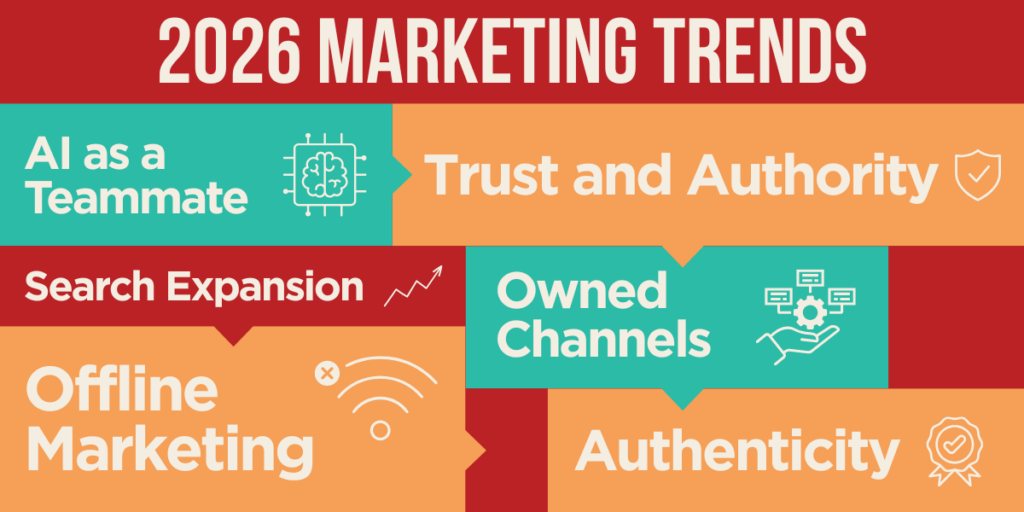
Over the previous number of years, we've all been exploring and experimenting with AI to understand what it implies for our market. 2026 will be the year when PR experts put those lessons into practice and begin using AI more successfully in their daily workflows, helping them remain ahead in a rapidly altering company and media environment.
"By 2026, keeping an eye on stories alone will not safeguard brands," alerts Dan Brahmy, CEO and co-founder of Cyabra, a platform that assists brands identify disinformation, deepfakes and other harmful reputational attacks. AI now powers coordinated disinformation at scale; deepfakes, bot networks and misleading amplification can harm a brand name's trustworthiness within hours. That indicates communicators should move beyond tracking discusses or belief.
It needs new tools that use real-time social listening and AI-powered context detection. "In 2026, brand name reputation will be increasingly formed not by what individuals look for, but by what AI responses," says Melanie Klausner, EVP of Customer at Havas Red. As generative AI ends up being the default source of information for consumers, reporters and developers alike, the method brands manage their exposure is progressing.
Every post, interview and professional quote feeds the designs shaping tomorrow's AI answers. That means earned media frequently ends up being the information on which these engines are trained. The brands mentioned usually by reliable outlets are the ones probably to appear in AI-generated summaries of the most trusted business.

Brands need to focus on reliable storytelling, proprietary insights and expert voices to guarantee they're surfaced in AI summaries." Will Swope, associate director of Issues Management & Monitoring at the National Cattlemen's Beef Association, anticipates that in 2026, "interactions groups will require to adapt to add more time and resources to AI monitoring." Just as PR professionals once found out to navigate social platforms like Twitter and TikTok, they now require to track what AI systems are stating about their brands.
Ways to Optimize Your Brand Identity for 2026
By keeping an eye on those conversations through tools such as Meltwater's GenAI Lens, communicators can see how their brand name or industry is represented inside major AI platforms, helping them capture errors or bias before they spread. With the flood of synthetic and sleek AI-generated material, audiences are yearning something more authentic: reality.
For communicators, this means shifting from relaying to linking: highlighting real people, behind-the-scenes material and transparent messaging." In a period of AI-generated whatever, credibility is becoming the ultimate differentiator. Lastly, as brand names integrate more AI into their interactions workflows, the question shifts from "how effective is our AI?" to "how credible is our information?" Rob Secret, creator and CEO of Converseon, a tech company that helps brand names surface insights from unstructured information, forecasts that in 2026, communicators will face a brand-new refrain: "Is your information AI and research study all set?" He visualizes a major push towards information quality governance ensuring that the insights behind communications decisions are precise, bias-free and fairly sourced.
The agreement from these specialists is clear: 2026 will be the year communicators master the balance between human credibility and maker intelligence. AI will not change PR; it will increase its value. To learn more about the big trends impacting the PR and marketing interactions industry, checked out Meltwater's 15 Marketing Trends to View in 2026 guide.
Here are some of their insights for the brand-new year: PR specialists should continue to look beyond tradition media when pitching. Social media influencers and podcasters will continue to acquire impact at their expenditure, ending up being the new gatekeepers to essential audiences.
At the same time, you might have few alternatives concerning regional TV; the Trump administration is expected to loosen station ownership rules, suggesting big owners like Nexstar, Sinclair, Gray, E.W. Scripps and Tegna will likely grow. Natalie Ghidotti is the CEO of Ghidotti and the 2025 Counselors Academy Chair Substack ... Substack ... Substack ...
The Role of GEO in Securing Authority
To connect with these reporters, PR specialists should mix social listening, e-mail marketing numbers and media relations skills. Some will be 100% earned. Some will be 100% paid. Some will mix. It will be an experience, and I'm not sure if most professionals have a viable plan in place. Dan Farkas is the chief advocate officer of Pass PR and a professor of strategic interaction at the E.W.
With misinformation dispersing rapidly, public relations experts play a crucial role in promoting genuine narratives, including combating false info and urging press reporters to maintain rigorous precision requirements, fostering rely on the media. Methods consist of motivating journalists to meticulously verify truths, mention trustworthy sources, and engage in comprehensive research study to boost the credibility of their reports and combat misinformation efficiently.
Kristelle Siarza Moon, APR is the owner and CEO of Siarza, a PR and digital company headquartered in Albuquerque, N.M. She functions as a Counselors Academy executive committee member and volunteers on the DEI committee for PRSA as co-vice chair In speaking with clients, we imagine 2025 will be the year that we expect a great deal of business to accelerate their marketing and interactions to emerge more powerful following the recent inflationary times that led to downsizing and doing more with less.
Building Lasting Corporate Authority for the Digital Era
John Walker is the managing partner of Chirp and the 2024 Counselors Academy Chair With the tasks market supporting, it will be more crucial than ever for business of all sizes to focus on employee engagement, workforce development and retention. Internal interactions will increase in importance, with a specific focus on staff member experience.
How SEO Changes Brand PR and ROIHinda Mitchell is president and founder of Inspire PR Group, a midsize integrated communications and marketing firm headquartered in Columbus, Ohio, and serving customers nationwide. She likewise functions as the Counselor Academy's Membership Chair.
Public relations in 2026 is not a continuation of present patterns, but a redirection driven by The tools have actually altered, the platforms have actually multiplied, and the guidelines for earning exposure have actually been rewritten. This isn't gradual development, but a wake-up call for instant action from every. are driving the most significant shifts in how PR runs right now.
How SEO Changes Brand PR and ROIBuilding Resilient Brand Authority for the Next Era
GEO ensures your brand isn't unnoticeable when people explore AI assistants, while founder-led branding offers audiences something human to get in touch with. These aren't predictions, these are public relations trends that are already developing If PR groups deal with these patterns like passing trends, they won't just fall behind, however they'll become undetectable.
Brand name advocacy examples like Patagonia's ecological campaigns or Ben & Jerry's social justice advocacy show how genuine commitment develops trust. Those that phony it or We built this report collaboratively. Our entire PRLab team sat down to discuss what we're seeing throughout projects, argument which trends matter most, and cross-check our observations against the to ensure we didn't overlook anything that might impact how PR operates in 2026. All set to Put These Trends Into Action? Talk with our team about developing a PR technique that places your brand name ahead of the curve in 2026.
Now, 59% of pros rank AI as their leading priority, utilizing it to draft press pitches and area emerging narratives before they go mainstream. The unintentional effect is that journalist fatigue has actually struck crisis levels as press reporters get hundreds of generic AI pitches weekly and can spot automatic outreach instantly.

Latest Posts
Managing Digital Identity in the Age of AI
Effective PR Trends for the Year 2026
Leveraging AI for Better Media Relations