Featured
Table of Contents
Online search engine are being replaced by conversational AI user interfaces, with tools like ChatGPT, Claude, Gemini, and Perplexity ending up being go-to resources for details, requiring a shift toward Answer Engine Optimization (AEO) and SEO for Big Language Models. Marketers should diversify circulation throughout numerous digital environments and enhance specifically for AI-powered search experiences, not simply Google or single-channel SEO.
These resources anticipate user concerns and supply authoritative answers that AI systems can with confidence reference and mention. Structured Frequently Asked Question Development: Long-tail, conversational keywords are more crucial than ever, with exposure depending on format and context, consisting of enhancing for AI-ready Q&A. Organizations develop comprehensive FAQ databases that attend to client concerns in natural language, optimized for voice search and AI assistant questions.
Brands invest in believed leadership material, original research study, and specialist bylined short articles that develop their authority in particular domains. Response Engine Optimization needs significant technical changes to content architecture. Successful implementations include schema markup that helps AI systems comprehend content context, structure information that enables rich bits and featured results, and content format enhanced for voice search inquiries.
PR Versus SEO: Winning Strategies for 2026
In 2026, marketing measurement develops from reporting activity to demonstrating clear business impact. Board-level executives require analytics that link every marketing dollar to measurable commercial results, consisting of client acquisition, retention rates, and progression of client lifetime worth. Privacy-Safe Measurement Facilities: Leading companies implement measurement systems that supply accurate attribution without jeopardizing client privacy.
End-to-End Analytics Integration: Advanced measurement platforms connect marketing activities to sales outcomes, customer service interactions, and long-lasting retention patterns. This comprehensive view allows precise ROI computation and tactical decision-making based on total customer lifecycle information. Visual CX Dashboards: The most reliable companies create executive control panels that align marketing, sales, item, and client success groups around shared metrics.
Modern attribution systems move beyond basic last-click models to advanced multi-touch methods that represent complicated consumer journeys. These systems utilize device discovering to weigh the impact of touchpoints based on timing, sequence, and specific client characteristics. The most sophisticated applications include offline attribution that links digital marketing activities to in-store purchases, phone questions, and other offline conversion events.
As marketing automation abilities broaden, regulative examination and consumer awareness intensify all at once. Leading brands in 2026 separate themselves not only through what they accomplish however likewise through how they run ethically and transparently. Algorithmic Responsibility: Organizations carry out clear governance structures for AI-powered marketing systems, ensuring algorithmic decisions can be described and examined.
Best Media Relations Strategies for Success
Data Use Transparency: The most trusted brands supply clear, accessible explanations of data collection and use practices. They execute granular material management systems that provide clients meaningful control over their information while demonstrating the value exchange included. Genuine Function Integration: Effective brands connect their stated function to quantifiable, real-world actions.
Transparent brand names take pleasure in greater customer trust ratings, longer consumer relationships, and more powerful word-of-mouth advocacy. Most significantly, ethical marketing practices create sustainable competitive advantages that can not be quickly duplicated by rivals focused exclusively on short-term outcomes.
Income Attribution: Percentage of revenue accurately associated to marketing activities throughout all channels and touchpoints. Consumer Lifetime Value Development: Year-over-year enhancement in client life time value, segmented by acquisition channel and client characteristics. Marketing Performance: Consumer acquisition cost patterns relative to competitor benchmarks and health center efficiency. Brand Trust Metrics: Client trust scores, Net Promoter Rating patterns, and brand name sentiment analysis throughout digital channels.
At Breathe Purpose Media, we recognize that navigating 2026's digital marketing change needs more than pattern awareness it demands strategic collaboration with specialists who comprehend how to operationalize emerging chances into quantifiable business results. Our comprehensive method combines innovative SEO techniques optimized for Response Engine Optimization, AI-powered content creation systems, unified analytics platforms, and dynamic management models that scale with your development ambitions.
Essential Media Relations Practices for Success
Unlike companies that go after trends, we develop methodical abilities that compound with time. Our clients do not just execute new marketing technologies they develop organizational competencies that allow constant adjustment as markets progress. Prepared to lead your market in 2026? Set up a tactical assessment with our specialist group to discover how Breathe Purpose Media's integrated technique to digital marketing, public relations, and content technique can transform emerging patterns into quantifiable development for your organization.
With unrivaled proficiency in SEO and omnichannel development techniques, we transform intricate market dynamics into measurable competitive benefits for our customers. From tactical positioning and digital dominance to social media that transforms and PR that moves markets we partner with companies that demand quality and leave lasting traditions.
As we approach 2026, online marketers deal with a landscape specified not simply by innovation, but by how human beings react to it. Emerging tools like AI and immersive media are reshaping what's possible, but the brands that grow will be those that balance data-driven accuracy with psychological intelligence and authenticity. Expert system has moved beyond buzzword status into everyday marketing infrastructure.
AI-driven customization isn't just "good to have." It will be a key differentiator in driving engagement, conversions, and commitment. A chart showing the development of tailored marketing financial investments vs generic projects with time. Key point: AI personalisation enables brands to reach clients with the right message at the correct time, elevating relevance and life time worth.
The Future of Brand Strategy for 2026Succeeding in the Age of AEO and GEO
Audiences in 2026 expect brands to take part in genuine conversation, not broadcast at them. Marketers are increasingly investing in community-driven strategies online groups, user-generated material campaigns, and micro-influencer partnerships that feel relatable and real. Table comparing brand name engagement metrics (e.g., retention, belief) for community-driven vs traditional broadcast strategies. Key point: Brand names that act like people (responsive, empathetic, and relational) build deeper commitment.
Info users willingly share, in exchange for value. This isn't just a personal privacy compliance strategy; it's a brand name trust home builder. Example: Interactive quizzes, preference centers, or member programs that collect voluntary insights while improving consumer experiences. Secret point: Openness in information collection strengthens brand trustworthiness and develops higher-quality customization. Enhanced Reality (AR), virtual try-ons, and interactive material are ending up being mainstream methods to connect audiences with items and brand stories.
Infographic showing engagement lift for AR experiences vs basic ads. Bottom line: Immersive experiences turn passive viewers into active individuals, a key advantage in attention-scarce environments. Influencer marketing progresses in 2026 from sponsorship to co-creation. Brands are teaming up with creators as tactical partners by inviting them into item advancement, project preparation, and storytelling.
The Future of Brand Strategy for 2026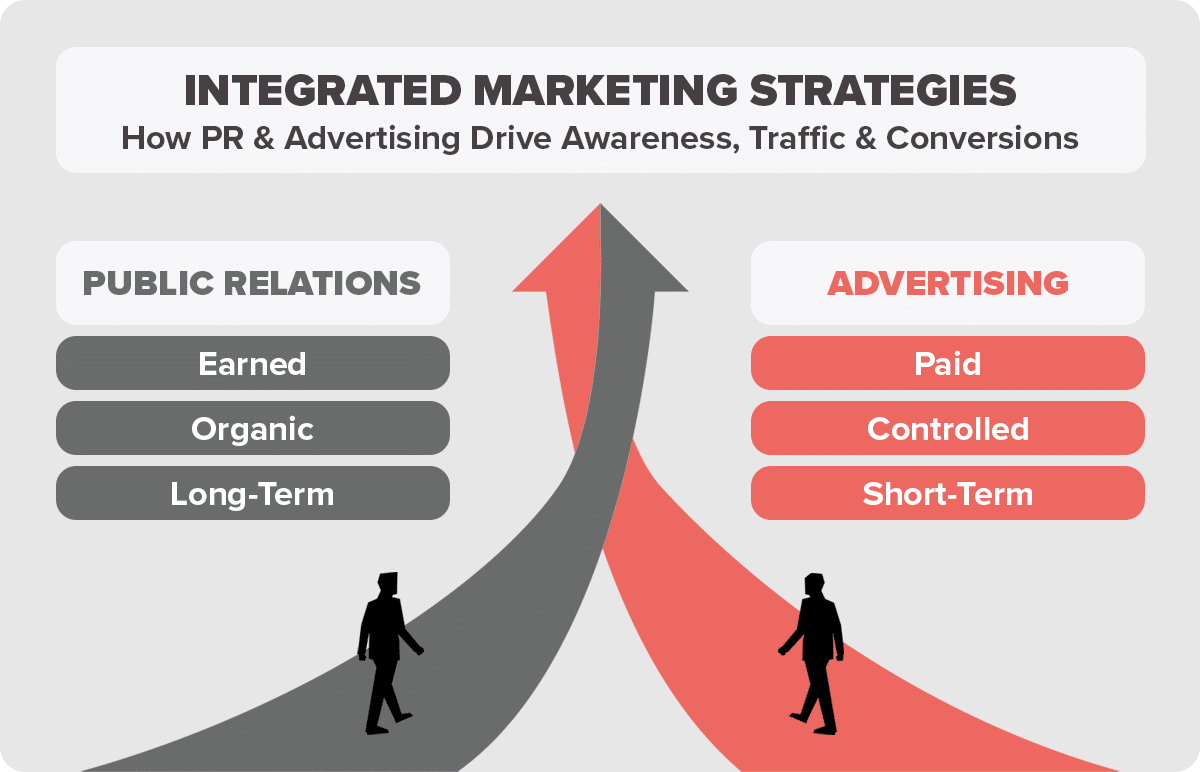
The underlying tactical shift is toward human connection. Brands that use technology to enhance rather than change authentic interaction will be the ones that grow. If there's one strong style for online marketers in 2026, it's this: Innovation scales your reach; humankind sustains your relevance.
This site utilizes cookies to improve your experience. We'll presume you're ok with this, however you can opt-out if you wish.Accept Personal Privacy & Cookies Policy.

Latest Posts
How Modern PR Influences AI Search Rankings
PR Vs PPC: Aligning the Digital Landscape
Managing Digital Identity in the Age of AI